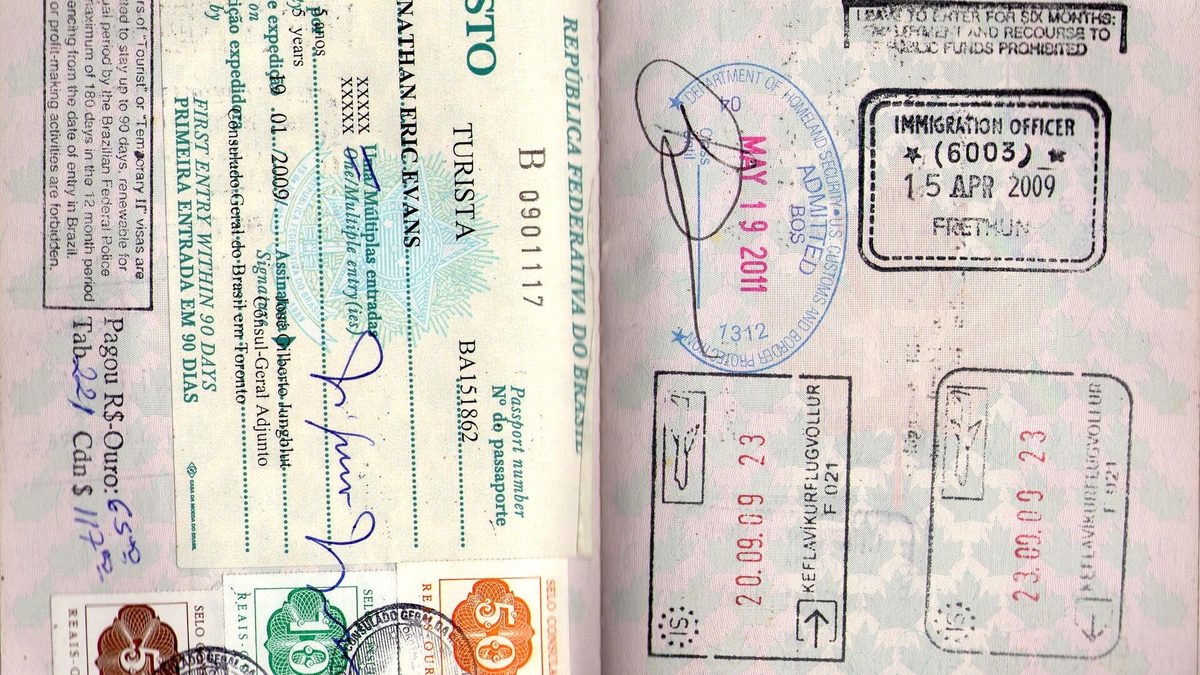
Paris, Rome, Prague and the Swiss Alps on one visa — that is the promise of a Schengen tourist visa from Bangladesh. It is also the visa Bangladeshi travellers worry about most, and with reason: officers look closely at money, ties to home and travel history. The good news is that the process is fully documented by the embassies in Dhaka. Applicants who prepare a clean, consistent file give themselves the best possible chance.
A short-stay Schengen visa lets you visit the 29 Schengen states for up to 90 days in any 180. From Dhaka you apply at the VFS Global centre of the country you will spend most time in. The adult fee is €90 (children 6–11: €45; under 6: free), plus the VFS service fee. The German Embassy Dhaka quotes 15 working days processing (read 14 Oct 2026).

Which embassy should a Bangladeshi apply to?
The rule is simple: apply to the country of your main destination — where you will spend the most nights. If nights are equal, apply to the country you enter first. Picking a country only because you heard it is "easier" is a common mistake; an itinerary that does not match the embassy you chose is a refusal reason in itself.
| Item | Official rule (German Embassy Dhaka) |
|---|---|
| Adult fee | €90 |
| Child 6–11 | €45 |
| Under 6 | Free |
| VFS service fee | €19.13 (Germany) |
| Processing | 15 working days, can be longer |
| Earliest application | 6 months before travel |
| Document verification | Tk 28,000 where required |
Fees are paid in Taka at the day's exchange rate, and the visa fee is not refunded if refused. Denmark's VFS page notes cases can take up to 45 days, so book your appointment six to eight weeks before travel.
What do Schengen officers look for?
Every Schengen embassy asks the same core question: will this person return to Bangladesh on time? Your file should answer it without the officer having to guess.
- Ties to Bangladesh: a permanent job with leave approval, a running business with trade licence and tax returns, or enrolment as a student.
- Money: six months of bank statements that show regular income and a balance that comfortably covers the trip, plus a solvency certificate.
- Travel history: previous trips to Thailand, Malaysia, Singapore, Japan or the UK help a lot. A first-ever trip to Europe is possible but needs a stronger file.
- Consistency: the same dates on your leave letter, flight reservation, hotel bookings and insurance.
How do you apply through VFS in Dhaka, step by step?
Fix your main destination
Count nights per country and choose the right embassy.
Book a VFS appointment
Use the official VFS Global page for that country; appointments can fill weeks ahead.
Prepare the file
Form, photos, bank statements, job/business/student papers, bookings, insurance, cover letter.
Attend and give biometrics
Pay the VFS fee and visa fee in Taka; fingerprints and photo are taken.
Track and collect
Track online; collect your passport from VFS and check the visa dates.
How much does a Schengen trip from Dhaka cost?
Direct answer: a 10-day trip to two or three Schengen countries costs roughly Tk 3,00,000–5,00,000 per person. The visa itself is a small part; flights and hotels dominate.
| Item | Tk (rough) |
|---|---|
| Visa + VFS fee | ≈14,000–16,000 |
| Travel insurance (€30,000 cover) | 3,000–8,000 |
| Return flight Dhaka–Europe | 90,000–1,60,000 |
| Hotels, 9 nights | 1,10,000–2,10,000 |
| Food, 10 days | 35,000–60,000 |
| Trains/buses between cities | 25,000–55,000 |
| Total | ≈ 2,77,000–5,09,000 |
Rough estimates only, per person, prepared October 2026 at about Tk 137 per €. Not quotes.
What is on the Schengen document checklist?
- Passport issued within 10 years, valid 3 months after return
- Completed Schengen application form and two photos
- Six months' bank statements and a solvency certificate
- Job letter with leave approval, or trade licence and tax returns
- Flight reservation and hotel bookings for every night
- Travel insurance with €30,000 minimum cover
- Cover letter and day-by-day itinerary
How do you avoid a Schengen refusal?
Most refusals from Dhaka cite "justification for the purpose" or "reasonable doubts about intention to leave" (reported by travel sites). Both come from weak or mismatched paperwork, not bad luck.
- Book refundable hotels and a flight reservation — do not buy expensive non-refundable tickets before the visa.
- Write a short cover letter: who you are, why this trip, who pays, when you return.
- Avoid sudden large deposits shortly before applying; explain any you have.
- Insurance must cover the whole Schengen area and at least €30,000 medical costs, as the Schengen rules require.
- If refused, read the reason carefully and fix it before reapplying.
- Apply only on official portals or through officially listed agents. Every visa page linked in this guide is a government or embassy page. If a site charges far above the official fee, close it.
- Keep names identical everywhere. Passport, visa form, air ticket and hotel booking must carry the same spelling, including middle names. A one-letter difference can stop you at check-in.
- Buy travel insurance. A medical emergency abroad can cost more than the whole trip. Several Bangladeshi insurers sell short-trip policies for a few thousand Taka.
- Save copies offline. Keep photos of your passport, visa, tickets and bookings on your phone and in email, plus one printed set separate from the originals.
- Return on time. A clean entry and exit record is the most valuable thing you bring home. It is what UK, Schengen, Japanese and other officers look at when you apply next time.
How should you carry money from Bangladesh?
Short answer: endorse your dollars on your passport before you fly, carry a mix of clean US$ notes and an international card, and change only what you need.
- Dollar endorsement: buy foreign currency from a bank or licensed money changer and have it endorsed against your passport under your annual travel quota, which Bangladesh Bank sets. Keep the encashment certificate with your passport.
- International card: a dual-currency debit or credit card from a Bangladeshi bank is the safest way to pay hotels and withdraw euros. Ask your bank to enable it for international use and note its per-transaction and daily limits.
- Clean notes: new, untorn US$ notes (series 2013 or later where possible) get the best rate and are accepted everywhere; old or marked notes are often refused.
- Exchange smartly: change a small amount at the airport for transport, then use city money changers or ATMs. Avoid changing Taka abroad — it is rarely accepted outside Bangladesh.
- Keep records: card slips and the endorsement receipt make your travel history clean when you later apply for UK, Schengen or study visas.
Why get one-to-one help instead of doing it yourself?
Because one person who knows the rules checks your whole plan before you pay for anything. Most trips that go wrong do so for small reasons: a passport that expires too soon, a booking that does not match the visa form, a fee paid on an unofficial site, or a return date that clashes with an exam or job. Doing it alone is possible — the official links on this page are all you need — but a second pair of experienced eyes makes the process clearer, quicker and far less likely to go wrong.
What does Eduvisa's one-to-one service include?
- A dedicated adviser who handles your file from first conversation to return, so you never repeat your story.
- A document checklist made for your case — passport, photos, bank papers, bookings, letters — reviewed before anything is submitted.
- Budget and itinerary planning with realistic costs from Dhaka, timed around holidays and fare peaks.
- Application support on official portals only, with every fee and receipt recorded.
- Travel-history planning so this trip strengthens future UK, Schengen or study visa applications.
What is the Eduvisa membership card?
Every student or tourist client receives an Eduvisa membership card with a personal client ID. The card's website line reads getbesthost.com/eduvisa: sign in there with your client ID to track your processing status, see all your documents in one place and view every payment you have made.
How can you check progress and verify payments?
Our verified client portal at getbesthost.com/eduvisa shows how far your work has progressed, step by step, and lets you confirm that each payment was received and recorded. You always know where your file stands without having to call and ask — and you can show family members exactly what has been paid and why.
Frequently asked questions
What is the Schengen visa fee from Bangladesh?
€90 for adults, €45 for children aged 6–11 and free under 6, paid in Taka, plus the VFS service fee; not refunded if refused.
How long does a Schengen visa take in Dhaka?
The German Embassy quotes 15 working days; other embassies note complex cases can take up to 45 days.
How much bank balance do I need?
There is no single official figure; your balance and income should clearly cover the full trip cost and show regular history.
Can I apply with no travel history?
Yes, but the rest of your file — job, money and ties — must be strong and consistent.
Which country should I apply to?
The country where you spend the most nights, or the first entry country if nights are equal.
- German Embassy Dhaka — Schengen visa — read 14 Oct 2026
- German Embassy Dhaka — outsourcing to VFS Global — read 14 Oct 2026
- VFS Global — Denmark visa information, Bangladesh — read 14 Oct 2026
Fees and rules above come from these official pages, read on 14 Oct 2026. Taka costs are rough estimates. Points marked "reported by travel sites" are not from an official page.
Related guides: Tourist visas: Malta, Italy, UK and more · Budget destinations from Bangladesh · UK visit visa
Applying for Schengen? Get your file checked before VFS.
We review your bank statements, itinerary and cover letter so everything tells one consistent story — before you pay the €90.
Book Free Consultation →